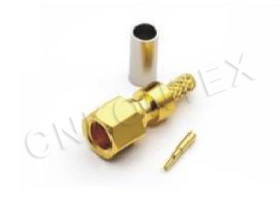
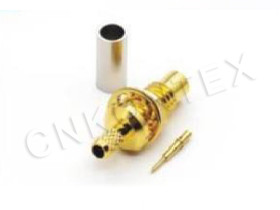
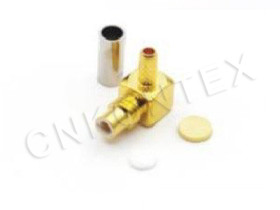
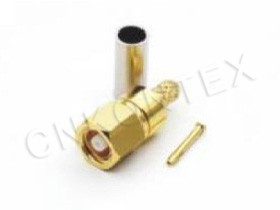
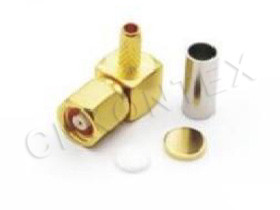
Advantages of Using SMC Coaxial Connectors
Choosing the right RF connector can significantly impact system performance. Here’s why SMC connectors are preferred:
Compact Size: The subminiature design saves valuable space in modern, compact RF assemblies.
Reliable Connection: Threaded coupling prevents accidental disconnection and maintains consistent contact.
Broadband Performance: Supports frequencies up to 10 GHz, suitable for a wide range of RF applications.
Durability: High mating cycle ratings and environmental resistance ensure longevity.
Versatility: Available in multiple configurations and cable compatibility options.
Ease of Assembly: Crimp and solder termination options facilitate flexible installation.
Industry Compliance: Meets military and industry standards for quality assurance.
Installation and Assembly Tips for SMC Coaxial Connectors
Proper assembly is crucial to maintain the performance and reliability of SMC connectors. Here are some best practices:
Cable Preparation: Trim the cable according to specified dimensions to ensure proper fit.
Contact Soldering: Solder the contact to the cable center conductor using a chisel-tip soldering iron, avoiding excess solder.
Ferrule and Compression Washer: Use these components to secure the cable braid and ensure mechanical stability.
Torque Specifications: Tighten coupling nuts and backnuts within recommended torque values (35–50 inch-ounces) for optimal performance.
Environmental Sealing: Consider heat-shrink tubing or sealing caps for moisture resistance in harsh environments.
Use Proper Tools: Employ crimp tools and torque wrenches designed for SMC connectors to avoid damage.