Types of Cable Assemblies and Their Uses
Cable assemblies come in various forms tailored to specific applications. Here are some of the most common types:
1. Coaxial Cable Assembly
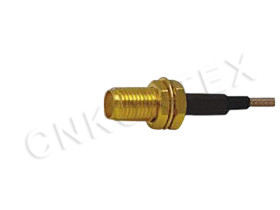
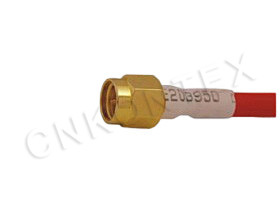
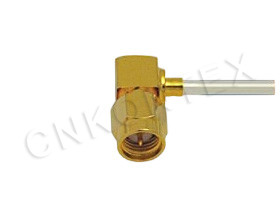
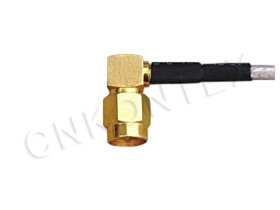
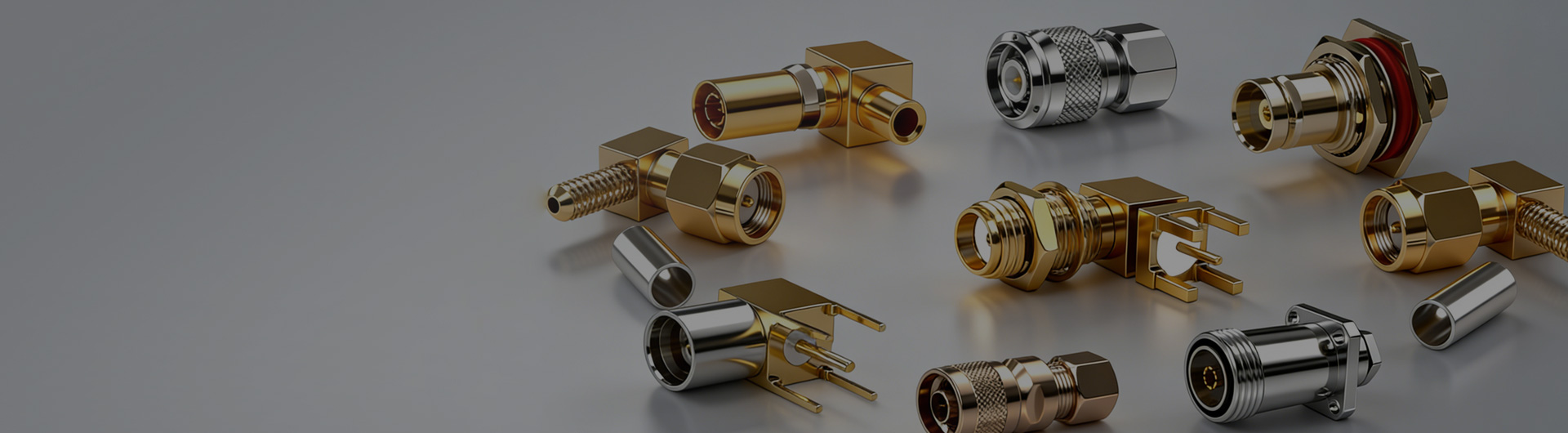
Designed to carry high-frequency signals, coaxial cables feature a central conductor surrounded by insulation and a metallic shield. Their shielding minimizes signal loss, making them ideal for telecommunications, RF communications, and broadcast systems.
2. USB Cable Assembly
Widely used in consumer electronics, USB cable assemblies enable data and power transfer between devices like computers, smartphones, and peripherals. Variants include USB-A, USB-B, and the increasingly popular USB-C, which supports faster data rates and higher power delivery.
3. Fiber-Optic Cable Assembly
Using strands of glass or plastic, fiber-optic assemblies transmit data as pulses of light, offering high-speed data transfer with minimal signal loss. They are immune to EMI and are essential in telecommunications, medical devices, and data centers.
4. LED Cable Assembly
These assemblies support low-voltage DC power for lighting systems, ensuring efficient and safe energy delivery to LEDs in residential, commercial, and automotive applications.
5. Power Cable Assembly
Built to handle high current and voltage levels safely, power cable assemblies are used in industrial machinery, electrical equipment, and other heavy-duty applications. They often include strain reliefs and specialized insulation to resist harsh environments.
6. Circular Connector Cable Assembly
Featuring rugged round connectors with multiple pins, these assemblies are common in military, aerospace, and industrial environments where vibration, moisture, and impact resistance are critical.
7. Ethernet Cable Assembly
Fundamental for network connectivity, these use twisted pairs of copper wires terminated with RJ45 connectors. They support data transmission across LANs, internet infrastructure, and data centers.
8. Custom Cable Assembly
For specialized needs, custom assemblies are designed to meet unique electrical, mechanical, and environmental requirements. Common in automotive, aerospace, medical, and robotics sectors.