BNC Connector Video Signal Cable: Comprehensive Analysis Of Usage, Production Steps, And Advantages
Release time:2026-06-22
Visits:328
In video surveillance engineering or network engineering, stable signal transmission is the core guarantee for the normal operation of equipment. The BNC connector video signal cable, as a commonly used connecting cable in such scenarios, has become the standard choice in many projects due to its unique design and performance. It can not only effectively isolate signal interference but also ensure the clear transmission of video or network signals, making it an indispensable basic component in video surveillance and network cabling.
I. Basic Understanding of BNC Connectors
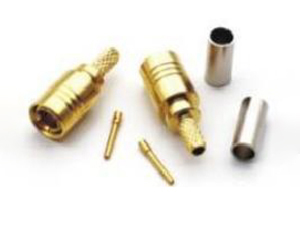
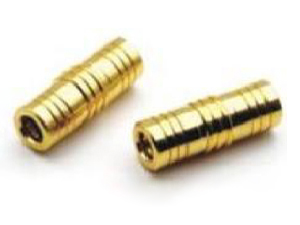
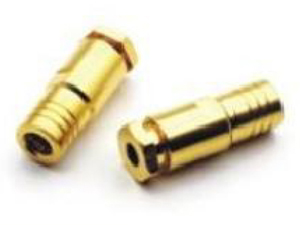
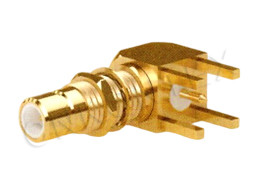
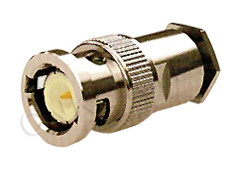
BNC connectors also have two common aliases: coaxial cable connectors or Q9 connectors. Their core design purpose is to isolate input signals — through the coaxial structure, video signals are isolated from external electromagnetic interference, reducing mutual interference between signals, and ultimately achieving the best signal response effect. This design gives it significant advantages in scenarios requiring stable transmission.
II. Production Steps of BNC Connector Video Signal Cable
Making a BNC connector video signal cable is not complicated, but attention to details is required (to avoid poor contact or signal loss). The complete process is as follows:
1. Tool Preparation and Preheating
First, prepare basic tools: electric soldering iron, video cable, BNC connector, and needle-nose pliers. Plug in the electric soldering iron in advance to preheat it (ensure the temperature is sufficient during soldering to avoid cold solder joints).
2. Cable Processing
Use a wire stripper to strip off the outer sheath of the video cable by approximately 1.5cm, exposing the inner copper core (about 0.6cm in length; not too long or too short). If the cable has a large number of shielding layers (outer metal mesh), some can be appropriately cut off (to prevent the shielding layer from loosening during subsequent assembly), and the remaining shielding layer is twisted into a single strand. Finally, apply a small amount of solder to the copper core and shielding layer (to enhance conductivity and prevent oxidation).
3. Connector Assembly and Soldering
- First, thread the rear part of the BNC connector's shell onto the processed cable (pay attention to the direction to avoid inability to screw it later).
- Insert the copper core of the cable into the small hole in the middle of the BNC connector (this is the positive pole), and at the same time, attach the twisted shielding layer to the negative pole part of the BNC connector (usually the metal outer layer of the connector).
- Use needle-nose pliers to tighten and fix the connection between the connector and the cable (to prevent the copper core or shielding layer from loosening).
- Use the electric soldering iron to solder the connection points: ensure that the copper core is firmly soldered to the positive pole and the shielding layer to the negative pole (solder quickly to avoid damaging the cable's insulation layer due to high temperature).
4. Finishing and Testing
After soldering, screw the previously threaded rear part of the shell back onto the BNC connector to complete the overall assembly. Finally, use a multimeter or engineering tester to test the cable's insulation (to avoid short circuits) and conductivity (to ensure normal signal transmission) — only after passing the test can the cable be put into use.
III. Application Scenarios of BNC Connector Video Signal Cable
BNC connector video signal cables have a wide range of applications, mainly covering two types of equipment:
1. Video Equipment Connection
Commonly used in cameras, monitors, televisions, video recorders, and other devices. For example, in community surveillance systems, video signals from front-end cameras are transmitted to monitors in the monitoring center via BNC cables; signal connections between video recorders and televisions in homes or small shops also often use BNC connector video signal cables.
2. Network Equipment Connection
In network engineering, BNC connector video signal cables can be used for signal transmission in IP cameras, network switches, and other devices. For instance, in shopping mall network surveillance systems, video signals from IP cameras are transmitted to switches via BNC cables and then the monitoring backend, ensuring stable signal delivery.
IV. Core Advantages of BNC Connector Video Signal Cable
Why can BNC connector video signal cables become frequent visitors in engineering? The key lies in its three major advantages:
1. More Stable Signal Transmission
The coaxial structure of BNC connectors can effectively maintain the integrity of video signals and reduce signal attenuation. Whether it is surveillance images or network videos, problems such as blurriness and freezing can be avoided, ensuring clear and smooth transmission content.
2. Strong Anti-Interference Ability
Video signals are susceptible to external electromagnetic interference (such as nearby wires and electronic devices), and the design of BNC connectors can isolate interference — the outer shielding layer separates the signal from the external electromagnetic environment, preventing noise, snowflakes, or interruptions in the signal. It is especially suitable for cabling in complex environments (such as factories and shopping malls).
3. Longer Transmission Distance
Compared with some ordinary cables, BNC connector video signal cables have a longer transmission distance (without the need for frequent signal amplifiers). This can greatly reduce cabling costs and complexity for large-scale surveillance projects (such as campuses and industrial parks).
Conclusion
The reason why BNC connector video signal cables have become a must-have in video surveillance and network engineering is essentially that they solve the core need of stable signal transmission — from production to use, they are designed around reducing interference and ensuring signal quality. Whether it is professional engineers or users who need to cable by themselves, mastering its production steps and advantages can complete cabling work more efficiently and allow equipment to perform at its best.