The Ultimate Guide To UHF Connectors: From Principles To Applications And Maintenance
Release time:2026-07-06
Visits:289
UHF connectors are a well-known name in the field of engineering. You may also have heard their common aliases: PL-259 (male) and SO-239 (female). This classic connector plays a key role in numerous RF applications due to its robustness, cost-effectiveness, and ease of use. This article will systematically the core knowledge of UHF connectors for you, including their definition, working principle, outstanding advantages, typical application scenarios, and necessary maintenance methods, helping you comprehensively understand and effectively use this component.
What is a UHF Connector?
A
UHF connector is a widely used coaxial RF connector. Its name is derived from Ultra High Frequency and was originally designed for the frequency range of 300 MHz to 3 GHz. Although modern RF applications have moved towards higher frequencies, UHF connectors still perform excellently and are widely adopted within their designed frequency range, especially in the high-frequency VHF to lower UHF bands.
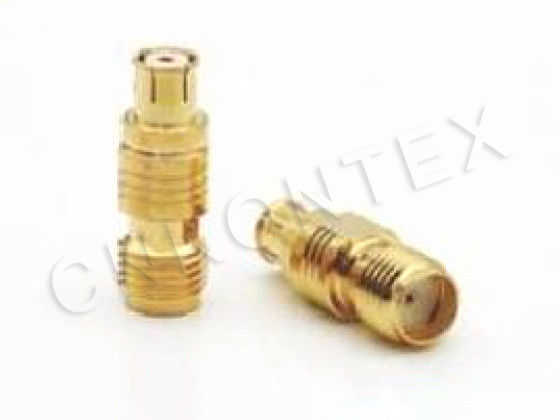
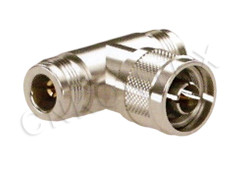
Structurally, it employs a classic threaded connection mechanism. The connector typically consists of a threaded outer conductor (which achieves mechanical locking and external shielding connection) and a central contact surrounded by insulating material (responsible for signal transmission). This structure ensures stable electrical performance and reliable physical connection.
How Do UHF Connectors Work?
The core working principle of UHF connectors lies in establishing a continuous RF signal path with low loss and good shielding.
1. Electrical Connection: When the male connector (PL-259) is inserted into the female socket (SO-239) and tightened, the central pin of the male connector makes close contact with the central socket of the female, thereby connecting the central conductor of the cable and forming the main path for signal transmission.
2. Shielding and Grounding: The threaded metal shells of the connectors interlock, effectively connecting the outer braided shield of the coaxial cable together and providing a reliable ground. This ensures the integrity of signal shielding, minimizing signal leakage and the ingress of external interference.
3. Mechanical Locking: Its unique threaded connection design not only provides a secure physical connection but also resists vibration and pulling, preventing signal interruption or performance degradation due to accidental loosening, making it ideal for equipment in mobile or outdoor environments.
Core Advantages of UHF Connectors
In addition to their well-known durability and ease of use, UHF connectors offer the following key advantages:
- High Power Handling Capability: Their robust physical structure and good contact design enable them to withstand relatively high RF power, suitable for scenarios requiring high power output such as broadcasting and communications.
- Excellent Environmental Adaptability: The reliable threaded connection provides good shockproof and anti-fall characteristics and can adapt to a certain degree of harsh environments.
- Wide Compatibility and Popularity: As a long-standing standard, UHF connectors are compatible with a large number of existing radio stations, antennas, and test equipment, and are easy to purchase and replace.
Common Application Scenarios of UHF Connectors
UHF connectors have a wide range of applications, mainly including:
- Amateur Radio and Communication Equipment: This is its most traditional application area. It is commonly used to connect car radios, base station walkie-talkies, and antennas, and is one of the standard interfaces among amateur radio enthusiasts.
- Broadcast Transmission Systems: In some broadcast transmitting equipment and feeder connections, they are used to handle medium and high-power RF signals.
- Antenna Systems: Widely used to connect various VHF/UHF band antennas, such as car antennas, base station antennas, and early models of satellite TV receiving antennas (LNBs).
- Test and Measurement Instruments: Used as standard RF ports on some signal generators, power meters, traditional spectrum analyzers, and other equipment within their operating frequency range.
- Video Surveillance and Closed-Circuit Television: In some older or specially required video transmission systems, they are used to transmit RF signals.
Key Maintenance and Care Points for UHF Connectors
Proper maintenance can greatly extend the service life of connectors and ensure stable system performance:
1. Regular Visual Inspection: Check the connector housing for obvious physical deformation, dents, check the insulator for cracks, and ensure the threads are clean and undamaged.
2. Keep Clean: Use a dedicated electronic contact cleaner or lint-free cloth to remove dust, oil, and oxides from the connector end face. Avoid using ordinary cleaners that may leave residues.
3. Check Connection Status: Ensure the male center pin is straight and not bent, and the female center hole spring has good tension. When connecting, align and screw in to avoid forced which may cause thread stripping or damage to the center pin.
4. Ensure Moderate Tightening: When connecting, hand-tighten the threads until they can no longer turn; this usually ensures good electrical contact. Excessive tightening with a wrench may cause housing deformation or thread damage.
5. Protection and Storage: When not in use, install dust caps on exposed connector ports. For long-term storage, place in a dry environment to prevent oxidation of metal parts.
Conclusion
In conclusion, as a classic RF interconnection solution, UHF connectors continue to play an irreplaceable role in specific RF application fields due to their reliability, high power capacity, and simplicity. Whether you are an amateur radio operator, broadcast technician, or system maintenance personnel, a deep understanding of their working principles, appropriate selection of application scenarios, and implementation of standardized maintenance are the foundations for ensuring stable and efficient connections in your RF system. Mastering this knowledge will enable this classic component to work reliably in your equipment for a long time.