How to Choose the Right RF Adapter
Selecting the appropriate RF adapter requires careful consideration of several factors:
1. Connector Compatibility
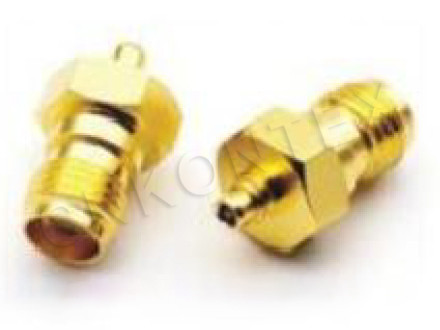
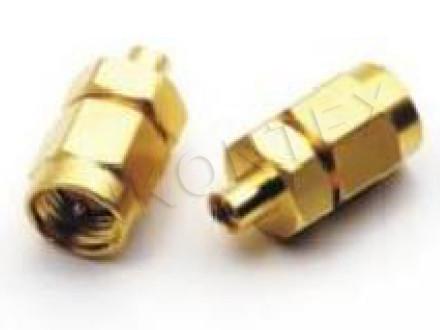
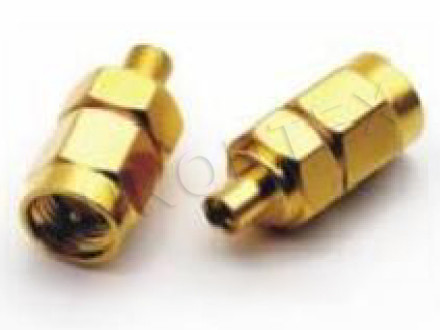
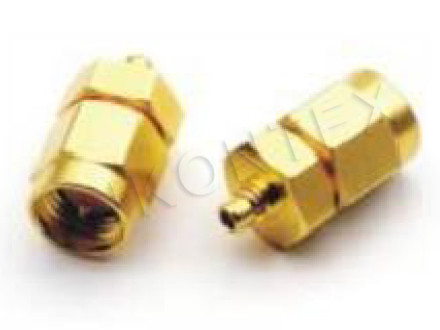
Verify the connector types and genders on both devices.
Avoid confusing similar-looking connectors like SMA and RP-SMA, which have reversed pin arrangements.
2. Frequency Requirements
Match the adapter’s frequency range with your system needs.
For high-frequency applications (above 18 GHz), prefer precision connectors like 2.92mm or 1.85mm series.
3. Impedance Matching
Ensure the adapter maintains the correct impedance (usually 50 ohms) to prevent signal degradation.
4. Power Handling
For high-power applications, such as outdoor antennas, select adapters with appropriate voltage and power ratings (e.g., N-type connectors rated up to 500V).
5. Environmental Conditions
Indoor vs. outdoor use dictates the need for weatherproofing.
Choose adapters with IP-rated sealing and corrosion-resistant materials for outdoor deployments.
6. Mechanical Durability
Consider mating cycle ratings and coupling mechanisms for frequent connect/disconnect scenarios.
7. Insertion Loss and VSWR
Low insertion loss and Voltage Standing Wave Ratio (VSWR) are critical for preserving signal strength and quality.