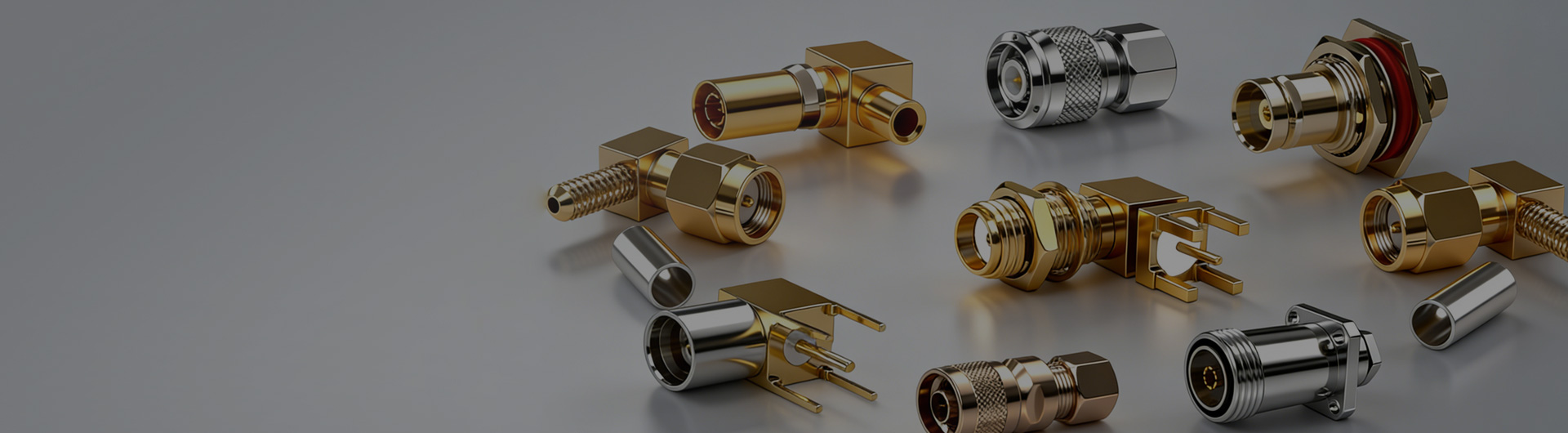
How to Choose the Right RF Adapter
Selecting the appropriate RF adapter involves several important considerations:
Connector Type and Gender: Verify both connector interfaces (e.g., SMA male to N female) and ensure compatibility.
Frequency Range: Choose an adapter rated for your system’s operating frequency to avoid signal degradation.
Impedance: Match the system impedance (usually 50 ohms) to minimize reflections.
Power Handling and VSWR: Ensure the adapter can handle the transmit power and maintains low VSWR for efficient signal transmission.
Material and Environmental Resistance: For outdoor or harsh environments, opt for stainless steel bodies and weatherproof designs.
Mechanical Features: Consider ease of installation, durability, and features like locking mechanisms or strain relief.
Special Requirements: Custom adapters may be necessary for uncommon interface pairings or strict electrical specifications.
FAQs About RF Adapters
Q1: Can RF adapters connect two different connector types?
Yes. RF adapters are designed to bridge different connector types, such as SMA to BNC or N-type to TNC.
Q2: What is the difference between 50-ohm and 75-ohm adapters?
50-ohm adapters are standard in RF communication and test setups, while 75-ohm adapters are used in video and CATV systems. Using mismatched impedances can cause signal loss.
Q3: Are RF adapters suitable for outdoor use?
Many RF adapters are ruggedized with weather-resistant materials and sealing, making them suitable for outdoor applications.
Q4: How do RF adapters affect signal performance?
High-quality RF adapters minimize insertion loss, VSWR degradation, and signal reflections, preserving signal integrity.