How to Choose the Right BNC Bulkhead Connector
Selecting the ideal BNC bulkhead connector depends on several factors:
Impedance Matching: Ensure the connector matches your system’s impedance (50 Ω or 75 Ω) to minimize signal reflection.
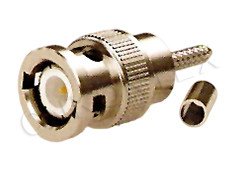
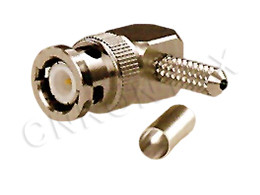
Cable Compatibility: Check the connector’s termination style (crimp, solder, clamp) and cable type compatibility.
Frequency Requirements: Choose connectors rated for your operating frequency to maintain signal quality.
Environmental Conditions: For outdoor or harsh environments, opt for waterproof or corrosion-resistant connectors.
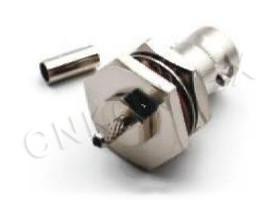
Mounting Style: Confirm if front mount bulkhead suits your panel design and installation needs.
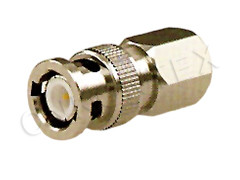
Connector Gender and Polarity: Male or female, standard or reverse polarity, depending on your application.
Installation Tips for BNC Bulkhead Connectors
Proper Crimping or Soldering: Follow manufacturer instructions for crimp or solder terminations to ensure reliable electrical contact.
Panel Cutout Size: Verify the panel hole dimensions match the bulkhead connector specifications.
Torque Specifications: Apply recommended torque to the coupling nut to avoid damage and ensure secure mating.
Inspect Insulators: Check PTFE or Teflon insulators for damage before installation.
Test Connections: Use a network analyzer or similar equipment to verify VSWR and continuity post-installation.