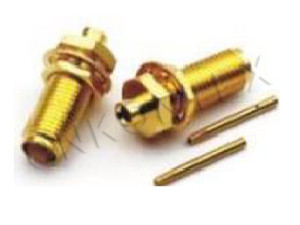
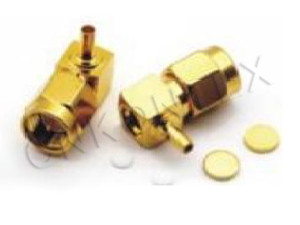
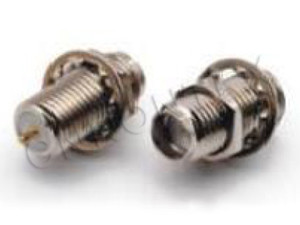
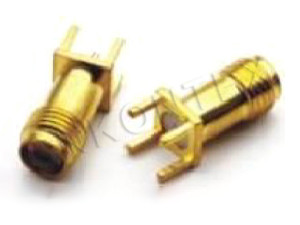
Detailed Explanation Of Connectors: Definition, Structure, Classification, And Future Development Trends
Release time:2026-04-24
Visits:592
I. What is a Connector?
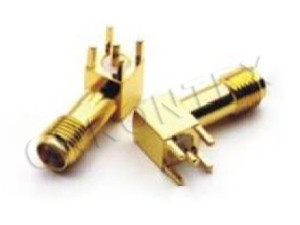
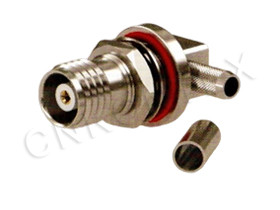
A connector, also known as a plug-in, joint, or socket, is a core component that connects two active devices in electronic equipment. Its core function is to build a transmission bridge between devices—whether it is current or signals, they can be stably and efficiently transmitted through the connector. From the connector of a mobile phone charging cable to the signal interface of industrial equipment, connectors are the invisible key ensuring the normal operation of devices.
II. Basic Structure of Connectors
The design of connectors revolves around stable transmission and consists of four core components:
1. Metal Contacts: The core components that directly contact and transmit current/signals, usually made of copper alloy (with good conductivity);
2. Insulators: Isolate metal contacts to prevent short circuits or leakage, commonly made of plastic or ceramic;
3. Shells: Protect internal structures from physical damage, mostly made of metal or high-strength plastic;
4. Sheaths: Enhance the durability of connectors, such as preventing pulling or environmental erosion (e.g., waterproof sheaths for outdoor equipment).
III. Main Classifications of Connectors
Connectors come in a wide variety and are usually classified by application scenarios or functional characteristics:
- By External Structure: Circular
connectors (vibration-resistant, suitable for automotive and aerospace applications), rectangular connectors (space-saving, commonly used in computers and industrial equipment);
- By Operating Frequency: Low-frequency connectors (transmit current, such as power plugs), high-frequency connectors (transmit high-frequency signals, such as RF connectors in communication equipment);
- By Special Functions: USB connectors (commonly used in consumer electronics), fiber optic connectors (transmit optical signals, such as network equipment), RF connectors (wireless communication), etc.
IV. Core Performance Indicators of Connectors
When selecting a connector, three dimensions of performance should be considered:
1. Mechanical Performance: Insertion and extraction force (too loose may cause falling off, too tight may be difficult to operate), mechanical life (number of insertions and extractions, generally ≥5000 times);
2. Electrical Performance: Contact resistance (the smaller the better, usually ≤10mΩ), insulation resistance (the larger the safer, generally ≥100MΩ), dielectric strength (voltage resistance, preventing breakdown);
3. Environmental Performance: Temperature resistance (adapting to high and low temperatures, such as connectors in automobile engine compartments need to withstand temperatures above 100°C), moisture resistance (moisture-proof, such as outdoor equipment), salt spray resistance (corrosion-proof, such as marine equipment), vibration/impact resistance (such as industrial robots, automobiles).
V. Future Development Trends of Connectors
As electronic devices evolve towards miniaturization, high-speed, and intelligence, the development direction of connectors is more focused on efficiency and intelligence:
- Miniaturization: For small devices such as mobile phones and wearable devices, micro-connectors below 0.3mm have emerged;
- High-Speed Transmission: To meet the needs of 5G and big data, high-frequency and high-speed wireless transmission connectors are becoming mainstream (such as connectors for WiFi 6 devices);
- Intelligence: Some connectors have added intelligent detection functions—for example, power connectors can monitor current in real-time and automatically cut off once overloaded, improving safety;
- Environmental Protection: With the growth of low-carbon demand, connectors made of recyclable materials (such as bioplastics) are gradually becoming popular.
VI. Current Market Situation of Connectors
The global connector market is growing continuously, and China has become the largest and fastest-growing market in the world. The core factors driving growth are:
- Expansion of Application Fields: From traditional power and communication to consumer electronics (mobile phones, tablets), automotive electronics (battery connectors for new energy vehicles), medical equipment (monitor interfaces), home appliances, etc.;
- Demand for Technological Upgrades: Emerging industries such as 5G, new energy, and artificial intelligence have surged demand for high-speed, intelligent, and miniature connectors.
Conclusion
Although small, connectors are the nerve hubs of electronic devices. From daily charging to industrial automation, their performance directly affects the stability and efficiency of devices. With technological development, connectors will better meet the needs of lightweight and intelligent and become an important support for the future electronics industry.
(Note: This article focuses on the basic cognition and industry trends of connectors, suitable for beginners or practitioners who want to quickly understand connectors.)