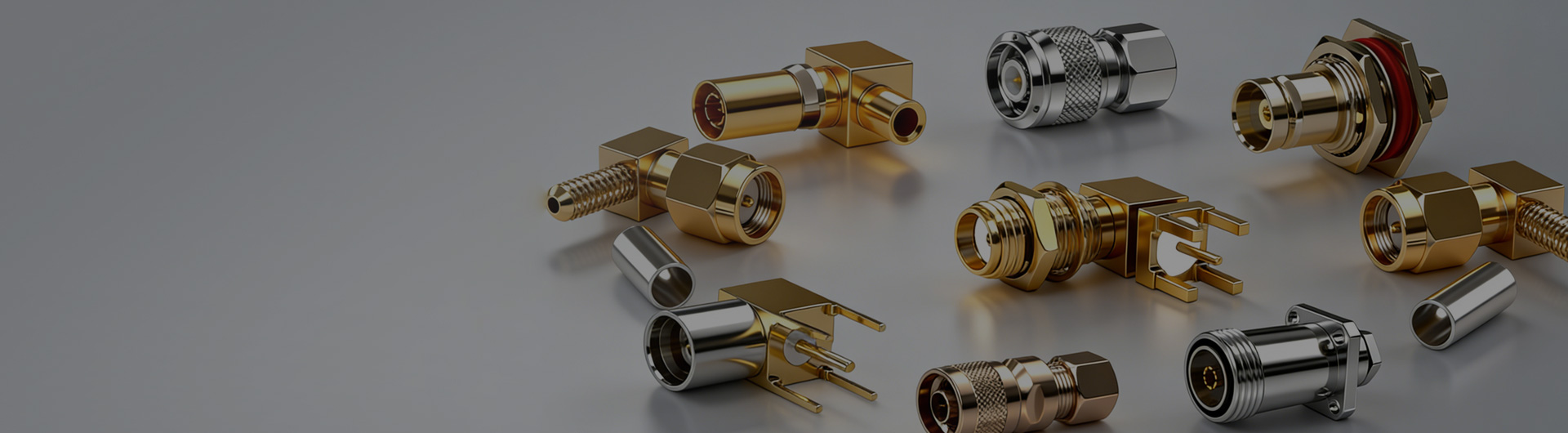
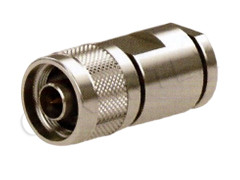
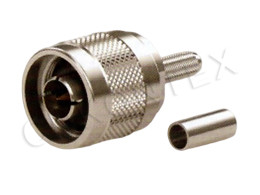
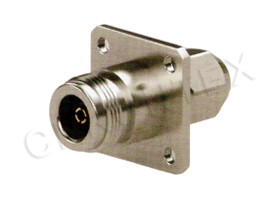
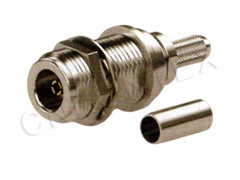
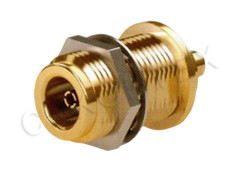
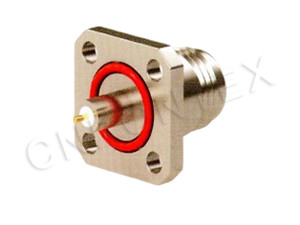
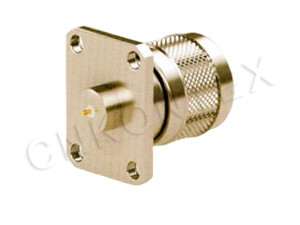
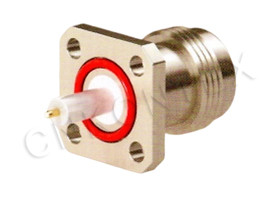
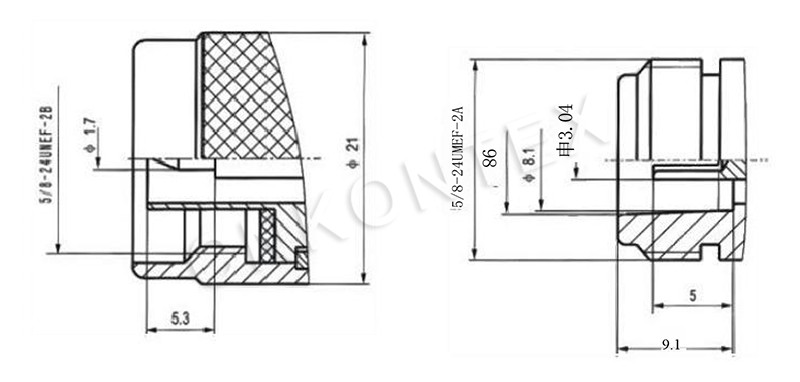
What is an N Type Connector?
The N type connector is a threaded RF coaxial connector originally developed in the 1940s by Paul Neill of Bell Labs. Designed to carry microwave-frequency signals, it was among the first connectors capable of operating reliably at frequencies up to 11 GHz, with modern variants extending this range to 18 GHz. Its robust threaded coupling mechanism ensures excellent vibration resistance and weatherproofing, making it ideal for outdoor and harsh environment applications.
Key Features and Benefits of N Type Connectors
1. Durability and Weatherproof Design
Threaded coupling mechanism provides a secure connection resistant to vibration and mechanical shock.
Weatherproof construction suitable for outdoor installations exposed to moisture, dust, and temperature extremes.
Meets military standards such as MIL-STD-202 for thermal shock, corrosion, moisture resistance, and vibration.
2. Wide Frequency Range and Electrical Performance
Standard frequency range from DC to 11 GHz, with extended designs supporting up to 18 GHz.
Characteristic impedance options of 50 ohms and 75 ohms, supporting a broad range of RF systems.
Low Voltage Standing Wave Ratio (VSWR) ensures minimal signal reflection and loss.
High power handling capability, typically up to 300 W at 10 GHz, suitable for high-power RF transmission.
3. Mechanical Reliability
Designed for a minimum of 500 mating cycles, ensuring longevity in repeated connect/disconnect scenarios.
Coupling torque recommendations (typically 8-12 inch-pounds) optimize secure mating without damage.
Interface specifications comply with MIL-STD-348, ensuring interchangeability and standardization.
4. Material and Construction
Bodies often manufactured from brass with nickel plating or stainless steel for corrosion resistance.
Center contacts made from beryllium copper or phosphor bronze with gold plating to ensure excellent conductivity and durability.
Insulators typically use PTFE (polytetrafluoroethylene), providing high dielectric strength and thermal stability.