Detailed Explanation Of Electronic Communication Connection Devices: Types, Applications, And Selection Points
Release time:2026-06-26
Visits:274
In various electronic devices, there is a type of invisible component that, although not eye-catching, undertakes a crucial mission - it is the electronic communication connection device. As the link of circuits, such devices are responsible for connecting circuits, transmitting signals, and providing power, serving as the basic core components to ensure the normal operation of equipment. From mobile phones and computers to base stations and industrial equipment, almost all electronic systems rely on their support.
I. Core Value of Electronic Communication Connection Devices
The essence of
electronic communication connection devices is a circuit bridge: they must not only realize the conduction (or disconnection) of circuits but also ensure the stability of signal transmission and the reliability of power supply. If an electronic device is compared to the human body, then the connector is like nerves and blood vessels - nerves are responsible for transmitting signals (commands), and blood vessels are responsible for delivering energy (power), both of which are indispensable. Without a suitable connector, even the most advanced chip or screen cannot function.
II. Common Types and Applications of Electronic Communication Connection Devices
According to their shape, structure, working scenarios, and functional requirements, electronic communication connection devices can be divided into five categories, each with its unique applicable scenarios:
1. Circular Connectors: Industrial Companions for Quick Plugging and Unplugging
Circular connectors are characterized by convenient plugging and unplugging, usually adopting or threaded locking design, which can quickly complete the connection in complex environments. They are widely used in industrial equipment, medical instruments, outdoor communication equipment and other scenarios - for example, robot arms in factories need to frequently connect sensors, and monitors in medical equipment need to quickly connect probes. The plug-and-connect feature of circular connectors just meets such needs. Their anti-vibration and anti-misplug design also make them the first choice for outdoor or mobile devices.
2. Rectangular Connectors: Stable and Reliable Multi-pin Experts
The advantage of rectangular connectors lies in high-density pin layout, which can transmit multiple groups of signals and power simultaneously with extremely strong stability after connection. They are the standard configuration for servers, communication base stations, and industrial control equipment - for example, servers in data centers need to transmit data, power, and heat dissipation signals at the same time, and the multi-pin design of rectangular connectors can perfectly integrate these requirements and avoid signal interference. Their modular structure also facilitates later maintenance and expansion.
3. Printed Circuit Connectors: Miniaturized Internal Links
Printed circuit connectors (PCB connectors) are miniaturized devices specially designed for internal connection of circuit boards, mainly used in consumer electronic devices such as mobile phones, computers, and tablets. They are characterized by small size and high precision - for example, the motherboard and screen of a mobile phone need to transmit display signals, and the miniaturized design of PCB connectors can achieve stable connection in a limited space without affecting the ness of the device. With the lightweight trend of consumer electronics, PCB connectors are developing towards 0.3mm pitch (pin spacing) or even smaller.
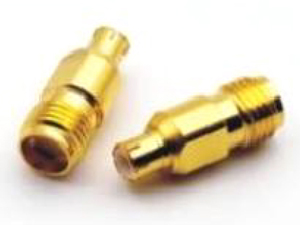
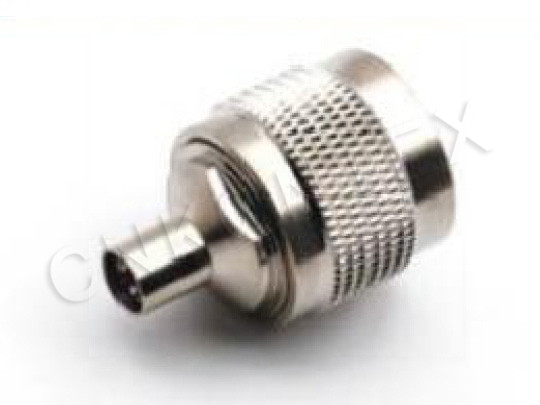
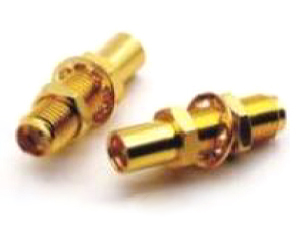
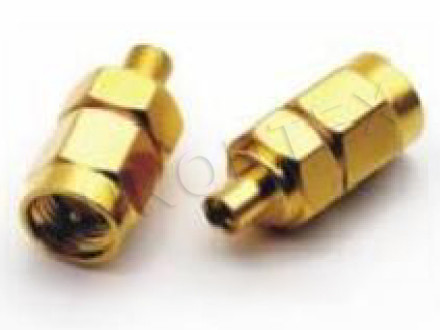
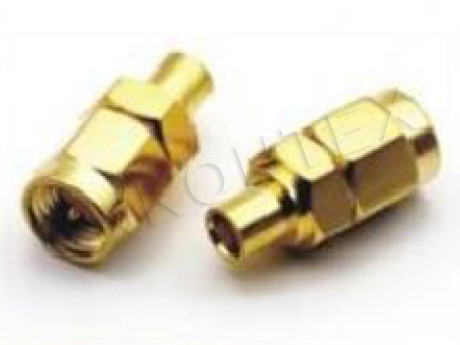
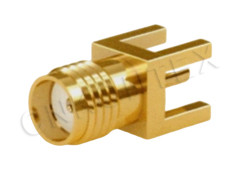
4. RF Connectors: Transmission Guards for High-Frequency Signals
RF connectors are exclusive solutions for high-frequency signal scenarios, specially used to transmit high-frequency signals in wireless communication (such as 5G and Wi-Fi signals). Their core requirement is low loss and anti-interference, so they are widely used in routers, base stations, and satellite communication equipment - for example, the antenna interface of a home router needs RF connectors to ensure stable transmission of Wi-Fi signals and avoid reduced network speed due to connection problems. Their metal can effectively shield external electromagnetic interference, ensuring that high-frequency signals are transmitted original.
5. Fiber Optic Connectors: Optical Channels for High-Speed Data
Fiber optic connectors are core components of fiber optic communication systems, used to connect fiber optic cables and realize high-speed data transmission. They have the advantages of ultra-large bandwidth and low latency, so they have become the first choice for data centers, fiber optic broadband, and high-definition video transmission - for example, the transmission demand of data centers has upgraded from 10GB/s to 100GB/s, and fiber optic connectors can ensure no signal attenuation, making data as fast as light. Their precision ceramic ferrule can control the fiber alignment error at the micrometer level, ensuring efficient coupling of optical signals.
III. How to Choose the Right Electronic Communication Connection Device?
The key to choosing a connector is to match scenario requirements, and the core points to focus on are three:
1. Scenario Environment: For industrial scenarios, choose connectors that are vibration-resistant, high-temperature resistant (-40℃~125℃), and dustproof and waterproof (IP67 or above); for consumer electronics, choose miniaturized and lightweight connectors;
2. Signal Type: For high-frequency signals (such as 5G), choose RF connectors; for high-speed data, choose fiber optic connectors;
3. Plugging Frequency: For scenarios with frequent plugging and unplugging (such as medical equipment), choose circular connectors; for fixed installation scenarios (such as servers), choose rectangular connectors.
IV. Future Trends of Electronic Communication Connection Devices
With the popularization of technologies such as 5G, the Internet of Things, and artificial intelligence, the connector market is developing in the direction of smaller, faster, and more durable:
- Miniaturization: Wearable devices such as smart watches and AR glasses require chip-level connectors that can even be integrated into PCBs;
- High Speed: The transmission demand of data centers has upgraded to 400GB/s, and connectors need to support higher bandwidth and lower latency;
- Environment Resistance: Industrial Internet and outdoor equipment require connectors to withstand environmental challenges such as extreme temperatures, salt spray, and vibration;
- Intelligence: Some high-end connectors have integrated signal detection functions, which can monitor the connection status in real-time and faults in advance.
Conclusion
Although electronic communication connection devices are small, they are the invisible cornerstone of electronic equipment. Both ordinary consumers' mobile phones and enterprises' large data centers need suitable connectors to ensure performance. Understanding the characteristics of different types of connectors and selecting appropriate products according to scenario requirements can maximize the value of electronic equipment. In the future, with further technological breakthroughs, connectors will continue to play a key role in connecting everything and provide support for the digital transformation of more fields.