Cable Assemblies: The Invisible Bridge For Electronic Device Connections, Do You Really Understand Them?
Release time:2026-06-29
Visits:238
When we charge our phones, connect external monitors to our computers, or watch industrial robots operate with precision, few people notice the cable assemblies working silently behind the scenes. This seemingly ordinary component is actually the core key to the collaborative work of electronic devices.
I. What Exactly Are Cable Assemblies?
Simply put, a cable assembly is an electrical connection component that links different electronic devices, systems, or subsystems. It acts like an information and energy pipeline between devices: on one hand, it transmits power (such as a charging cable supplying power to a mobile phone), and on the other hand, it transmits signals (such as an HDMI cable delivering video images), ensuring that devices can communicate accurately.
II. Why Are They Called the Unsung Heroes of Electronic Devices?
Without cable assemblies, even the most sophisticated electronic devices would become isolated islands:
- When charging a mobile phone, unstable current transmission through the cable assembly may lead to slow charging and battery damage;
- When a computer is connected to a projector, signal transmission interference can cause screen snow or stuttering;
- If the cable assembly in industrial equipment fails, it may directly halt the production line—its reliability directly determines the stability of the equipment.
It can be said that
cable assemblies are the foundation for the normal operation of electronic devices, just like the wires in a home—unseen but indispensable.
III. What Small Parts Are Hidden in Cable Assemblies?
Although they look simple, they are actually a combination:
1. Cable: The core transmission channel responsible for carrying power or signals;
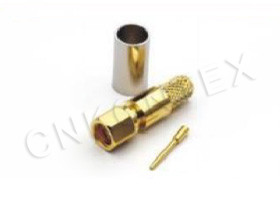
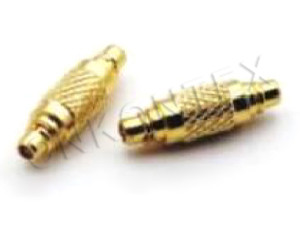
2. Connector: The interface for device docking (such as USB or Type-C heads), determining connection tightness and compatibility;
3. Terminal: The small joint hidden inside, firmly connecting the cable and connector to prevent loosening;
4. A few auxiliary components (such as insulation layers, fixing buckles): Protect internal structures and extend service life.
IV. What Requirements Must a Good Cable Assembly Meet?
Not just any wire can be a cable assembly—its design and manufacturing must be precisely adapted to device requirements:
- Electrical Performance: It must stably transmit signals/power, such as anti-interference capability (to avoid signal stuttering) and transmission rate (such as the high current carrying capacity of fast charging cables);
- Mechanical Performance: It must be durable! For example, mobile phone charging cables should be bend-resistant (not breaking with daily plugging and unplugging), and industrial cables should be resistant to high and low temperatures (not deforming in high-temperature workshop environments);
- Reliability: It should not suddenly fail after long-term use—for example, a cable assembly in medical equipment, if faulty, may affect diagnosis results.
Conclusion: The Unremarkable Small Component Supports the Great Stability of Devices
Cable assemblies are never supporting roles—they are the trust between electronic devices. Whether it's a household charging cable or an industrial-grade equipment connection line, choosing and using the right cable assembly is essential for devices to perform at their best. Next time you use an electronic device, take a look at the connecting cable in your hand—it is actually the invisible guarantee for the device's normal operation.